Website vs Social Media: Why Nigerian Businesses Need More Than Instagram and WhatsApp to Grow
There is an important difference between having a social media presence and owning a digital platform for your business.
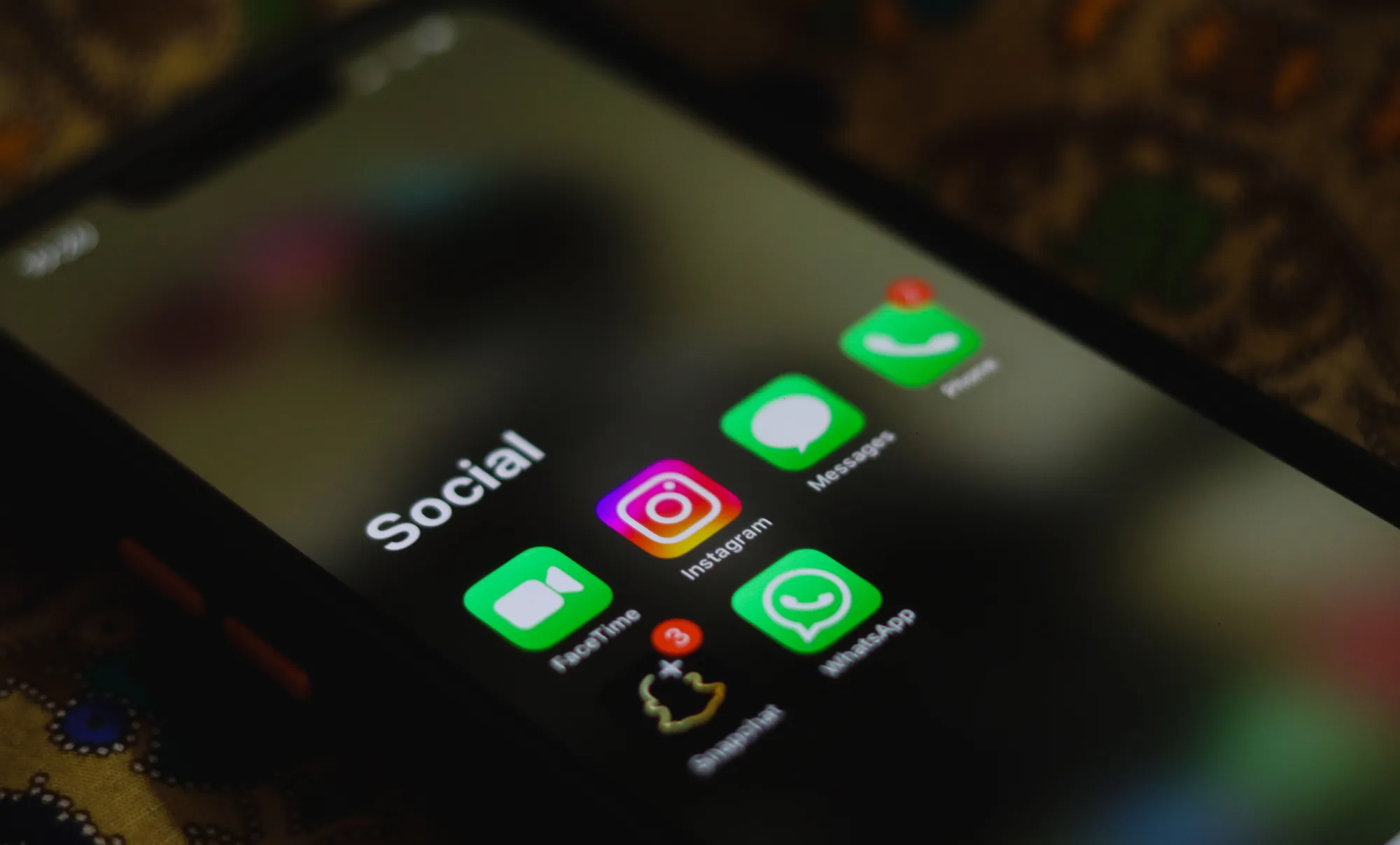
Imagine building your entire business around Instagram. You have thousands of followers on social media, customers send orders through your direct messages, and your products are gaining attention.
Then one morning, you discover that you cannot access your account.
Your business enquiries slow down, customers cannot find your products, and the audience you spent years building suddenly becomes difficult to reach.
This is one of the risks of depending entirely on social media to run a business.
Across Nigeria, thousands of entrepreneurs use Instagram, Facebook, TikTok and WhatsApp to advertise products, communicate with customers and generate sales. These platforms are useful, affordable and relatively easy to start using.
However, there is an important difference between having a social media presence and owning a digital platform for your business.
A professional website gives your business an online destination that you control. It allows customers to discover your services, explore your products, make enquiries and complete purchases without depending entirely on social media conversations.
So, should Nigerian businesses choose a website or social media? Which is better for attracting customers? And why should you consider using both?
Let's examine the differences.
What Is the Difference Between a Website and Social Media?
A website is a digital platform that belongs to your business and operates under your own domain name, such as yourbusiness.com.
It can contain information about your company, products, services, prices, contact details and other resources.
Social media platforms, on the other hand, are third-party platforms where businesses create profiles, publish content, interact with audiences and promote their products.
Examples include:
- Instagram.
- Facebook.
- TikTok.
- WhatsApp.
- LinkedIn.
- X.
The major distinction is ownership and control.
With a website, you have greater control over your platform, content structure, customer experience and functionality, subject to your hosting and technology arrangements.
With social media, your business operates within another company's platform and must follow its rules, features and policies.
Both are valuable, but they serve different purposes.
Website vs Social Media: Which Is Better for Nigerian Businesses?
There is no universal winner because websites and social media solve different problems.
Here is a comparison of what each offers.
| Feature | Business Website | Social Media |
|---|---|---|
| Platform ownership | Greater business control | Platform-owned |
| Branding | Extensive customisation | Platform templates and limitations |
| Google visibility | Can rank in organic search | Limited and platform-dependent |
| Product catalogue | Customisable | Platform-dependent |
| Online payments | Can integrate payment gateways | Depends on platform and external tools |
| Customer communication | Forms, email, chat integrations | Built-in messaging |
| Content organisation | Custom pages and categories | Feed-based structure |
| Audience building | SEO, email and other channels | Followers and platform audiences |
| Advertising | Can support conversion tracking | Built-in advertising systems |
| Long-term control | Greater control over infrastructure and content | Subject to platform policies |
For most growing businesses, the smartest decision is not to abandon social media for a website. It is to combine both.
7 Reasons Your Business Needs a Website Beyond Social Media
1. Your Business Needs an Online Presence You Control
Social media accounts are useful, but they exist on platforms controlled by other companies.
Instagram can change its algorithm, restrict certain features or suspend accounts. Facebook can change advertising policies, while TikTok can alter how content is distributed.
These changes can affect how easily your business reaches customers.
A website provides an additional digital asset that your business can manage independently.
You own or control your domain registration, website content and hosting arrangements. You can also choose how your pages are organised and what functionality customers can access.
For example, a fashion business can create a website with dedicated product categories, size guides, shopping carts and checkout functionality.
Rather than depending entirely on a social media profile, the business has a central destination for its customers.
2. Customers Can Find Your Business Through Google
One of the biggest advantages of having a website is the opportunity to attract customers through search engines.
Think about how people search for products and services.
Someone may search for:
- Best interior designers in Lagos.
- Affordable website designers in Nigeria.
- Reliable solar installation companies.
- Event planners in Abuja.
- Where to buy quality furniture online.
Google displays relevant pages based on its search systems.
If your business has a properly developed website with useful content and good technical SEO, you have an opportunity to appear for searches related to your services.
Social media content can also appear in search results, but a dedicated website gives you much greater control over your search-focused content and landing pages.
This is particularly useful for businesses that want to attract customers who are already searching for what they offer.
To understand how this works, read our guide on SEO services in Nigeria and how to improve your Google rankings.
3. A Website Makes Your Business Look More Professional
First impressions matter.
Imagine two companies offering the same service.
The first company has an Instagram page with a few product photographs and a WhatsApp number.
The second has an Instagram page, a professional website, a detailed service portfolio, customer testimonials, company information and a structured enquiry process.
Which business would you feel more comfortable approaching for a major project?
For many customers, a professional website provides additional reassurance that a business has invested in its operations and online presence.
Your website can communicate:
- Who you are.
- What your business does.
- What problems you solve.
- Previous projects.
- Customer testimonials.
- How customers can reach you.
This is particularly important for professional service providers, corporate organisations, consultants and companies handling high-value transactions.
A website does not automatically prove that a business is trustworthy, but a well-maintained website can help establish credibility.
4. You Can Sell Products Without Depending Entirely on Direct Messages
Many Nigerian businesses manage their sales through WhatsApp and Instagram.
A customer sees a product, sends a message, asks for the price, requests more photographs and eventually places an order.
This works for small businesses, but it can become difficult when order volumes increase.
Imagine receiving 100 product enquiries in one day. Managing every order manually can become stressful.
An ecommerce website can organise the process.
Customers can:
- Browse available products.
- Compare prices.
- View product descriptions.
- Select sizes or variations.
- Add products to a cart.
- Complete checkout.
- Make online payments.
The business can manage orders and inventory through an administrative dashboard.
This creates a more organised purchasing experience and reduces the need to handle every transaction manually.
If you are considering this approach, see our guide on how to start selling online in Nigeria with an ecommerce website.
5. Your Website Can Generate Enquiries Around the Clock
Your social media accounts may be active throughout the day, but your business team cannot always respond to messages immediately.
Customers may discover your services late at night, during weekends or outside your operating hours.
A website allows them to access important business information whenever they need it.
They can review your services, check frequently asked questions, explore your portfolio and submit enquiry forms.
For ecommerce businesses, customers may also be able to complete purchases without waiting for a salesperson to respond.
You can introduce additional functionality such as:
- Automated enquiry forms.
- Booking systems.
- Product catalogues.
- Customer portals.
- Frequently asked questions.
- Online payment systems.
Your website therefore continues to serve customers even when your business is not actively posting on social media.
6. You Can Build a Stronger SEO and Content Marketing Strategy
Social media content often has a relatively short period of visibility.
A post may receive attention for a few hours or days before disappearing further down your feed.
Website articles, on the other hand, can continue attracting organic traffic long after publication.
For example, a Nigerian solar company could publish an article about the cost of installing a solar system in 2026.
A person searching Google for solar installation prices may discover that article months after it was published.
The business can then direct the reader to its services and encourage them to request a quotation.
This is one of the reasons companies invest in blogging, content marketing and SEO.
A website gives your business a structured platform for publishing useful information that can attract potential customers over time.
7. You Have More Opportunities to Understand Your Customers
A professional website can integrate analytics tools that help you understand how visitors interact with your business online.
For example, Google Analytics can help you examine:
- How many people visit your website.
- Which pages attract the most attention.
- Where visitors come from.
- Which devices they use.
- Which marketing channels generate traffic.
- How visitors interact with important website features.
You can use this information to improve your marketing strategy.
For ecommerce businesses, additional analytics can help measure product views, shopping cart activity and completed purchases when properly configured.
Understanding customer behaviour helps you make better decisions about your website, products and advertising campaigns.
Does Every Small Business in Nigeria Need a Website?
Not necessarily on the first day of operation.
A new business with limited resources may reasonably begin with WhatsApp Business, Instagram or Facebook while validating its products and building an initial customer base.
However, as the business grows, the limitations of depending entirely on social media become more noticeable.
Consider investing in a website when:
- You receive more enquiries than you can manage manually.
- Customers frequently ask for your catalogue or service details.
- You want to appear in Google search results.
- You need a professional platform for your company.
- You want customers to purchase directly online.
- You are running advertisements and need dedicated landing pages.
- You want to build a stronger brand beyond social media.
The right time to develop a website depends on your business model, growth plans and available budget.
You do not need an expensive, complicated platform to get started. A professionally developed business website with the right pages and functionality may be sufficient.
What Type of Website Should Your Business Build?
The type of website you need depends on what your business does.
Here are some common options.
| Business Type | Recommended Website |
|---|---|
| Professional service company | Business website |
| Fashion retailer | Ecommerce website |
| Restaurant | Restaurant website with menu and ordering |
| Real estate company | Property listing website |
| Consulting firm | Corporate website |
| School or training centre | Educational website |
| Software startup | Product website or web application |
| Online service provider | Service website with enquiry or booking features |
You should avoid paying for features your business does not need.
Start with a platform that solves your current problems and can be expanded as your requirements change.
How Much Does It Cost to Build a Business Website in Nigeria?
Website development costs vary depending on design, functionality, integrations and project complexity.
As an indicative budgeting guide for 2026:
| Website Type | Estimated Cost |
|---|---|
| One-page landing page | ₦100,000 – ₦300,000 |
| Basic business website | ₦200,000 – ₦500,000 |
| Professional business website | ₦500,000 – ₦1,500,000 |
| Ecommerce website | ₦450,000 – ₦3,000,000+ |
| Custom web application | ₦1,500,000 – ₦20,000,000+ |
These are indicative planning ranges, not fixed market averages or quotations.
Additional expenses may include domain registration, hosting, maintenance, business email, SEO and content production.
The most important consideration is choosing a website that supports your actual business objectives.
For a detailed explanation of website development pricing, read our article: How Much Does Website Design Cost in Nigeria in 2026?.
The Best Strategy: Combine Your Website with Social Media
Rather than choosing between a website and social media, use both to strengthen your digital presence.
Each channel can perform a different role.
Instagram and TikTok: Showcase products, publish engaging content and attract attention.
Facebook: Reach communities, build awareness and run advertising campaigns.
WhatsApp: Communicate with customers, answer questions and provide support.
Your website: Present your business professionally, organise products and services, attract organic traffic and generate enquiries or sales.
For example, a Nigerian fashion brand can publish a product video on Instagram, direct interested customers to its online store and allow them to complete purchases through its website.
The website becomes the central destination while social media helps bring potential customers there.
This approach also reduces dependence on any single marketing platform.
Build a Professional Business Website with Rosper Solutions
Your business should not be limited by the features or restrictions of social media platforms.
A professional website can give you greater control over your brand, create a better customer experience and open additional opportunities to attract customers through Google and other digital channels.
At Rosper Solutions, we help businesses establish their online presence through professional website development, ecommerce solutions and custom digital services.
Whether you need a simple business website, a corporate platform or a fully functional online store, we can help you develop a solution that supports your business goals.
You do not have to wait until your business becomes large before establishing a professional online presence.
Ready to give your business a website of its own?
Visit Rosper Solutions and contact our team to discuss your website development requirements.
Let's build a stronger digital foundation for your business.
Frequently Asked Questions
1. Is a website better than Instagram for business?
A website and Instagram serve different purposes. Instagram is useful for content distribution and audience engagement, while a website provides a dedicated platform for presenting services, attracting search traffic and facilitating transactions. Most growing businesses benefit from using both.
2. Can I run a business successfully without a website in Nigeria?
Yes. Many businesses operate successfully through WhatsApp, Instagram, referrals and physical sales. However, a website can provide additional opportunities for customer acquisition, credibility and business growth.
3. How much does a business website cost in Nigeria?
A basic business website may cost approximately ₦200,000–₦500,000, while a more advanced professional website can cost ₦500,000–₦1,500,000 or more, depending on its requirements.
4. Can customers buy directly from my website?
Yes. An ecommerce website can include product catalogues, shopping carts, checkout functionality and payment gateway integrations that allow customers to purchase products online.
5. Will my website bring customers automatically?
No. Launching a website does not automatically guarantee customers. You need to attract visitors through SEO, social media, advertising, referrals and other marketing activities.
6. Can I connect my website to WhatsApp?
Yes. You can add WhatsApp contact buttons, enquiry links and other integrations that allow customers to communicate with your business directly.
7. Do I need a website if I already have many Instagram followers?
Having a large social media audience is valuable, but it does not replace owning a dedicated business platform. A website gives you more control over your content, customer experience and online sales infrastructure.
8. How long does it take to build a business website?
A basic business website may take two to four weeks, depending on its complexity, content availability and feedback process. More advanced platforms can take considerably longer.
Rosper Solutions — Building digital solutions for businesses.
- #business website
- #web development